

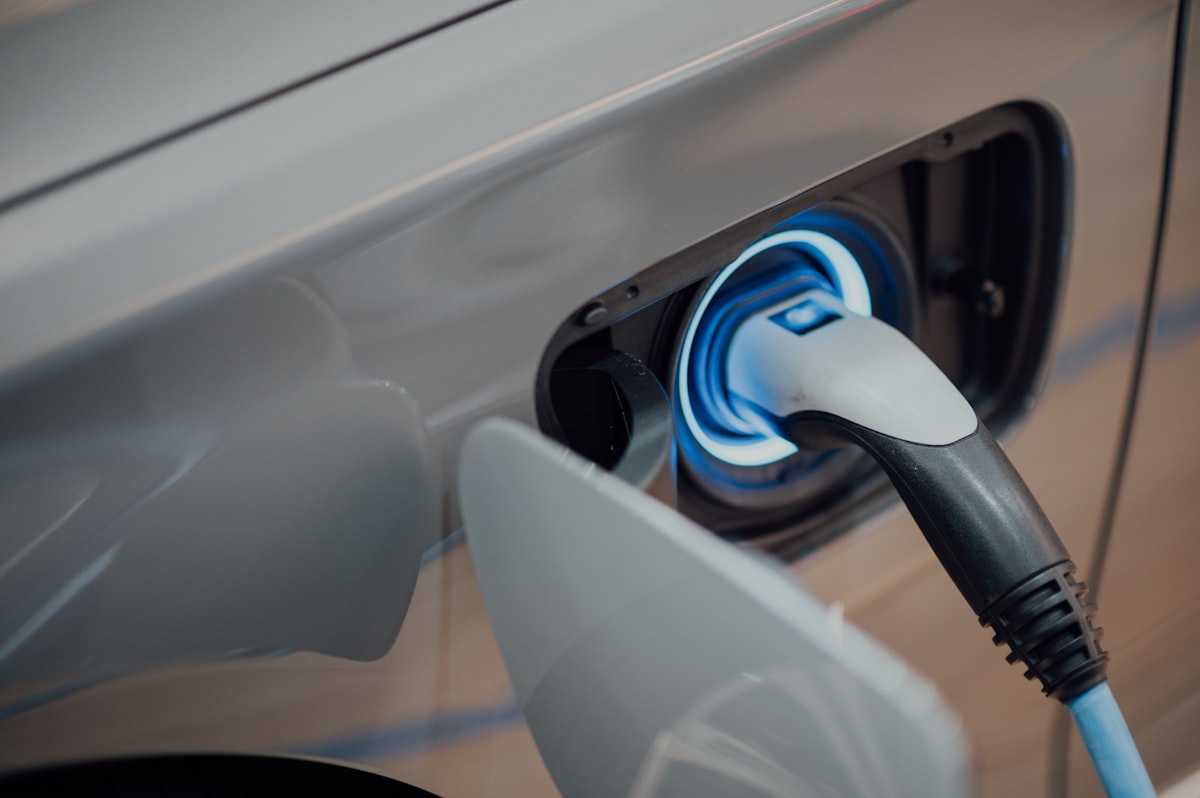
Electric-vehicle batteries commonly hold tens of kilowatt-hours of energy, and larger vehicles can approach or exceed 100kWh. Charging one or two cars can therefore become one of the largest electrical demands in a home.
The right infrastructure depends on the vehicles, daily mileage, available charging window, electricity tariff, existing supply and other high-power equipment.
Single-phase charging
Most existing UK homes have a single-phase electricity supply. A typical domestic wall charger can provide up to approximately 7.4kW, although the actual rate may be lower because of the vehicle, charger settings or load-management controls.
A 7.4kW charger can theoretically add around 44kWh during a six-hour off-peak window, before charging losses and any power reduction are considered. That may be more than enough for normal daily driving, even when the vehicle’s total battery is much larger.
It is important not to confuse the charger rating with the capacity of the property’s entire supply. A single-phase home can normally import more than 7.4kW in total, subject to its service fuse and network connection. The charger is one load among many.
Do two electric cars require three phase?
Not automatically. If both vehicles travel modest distances, have long overnight charging windows or can alternate charging, a single-phase supply with intelligent load management may be sufficient.
Three phase becomes more attractive when two vehicles regularly need substantial charging at the same time, the home is fully electric or the available off-peak window is too short. A suitable three-phase charger may deliver up to approximately 22kW to a compatible vehicle, but many cars cannot accept that full AC rate.
A supply upgrade must be discussed with the Distribution Network Operator and coordinated with the property’s electrical installation. It should be justified by measured or expected demand rather than treated as a universal requirement.
Use smart load management
A well-designed charger can monitor the home’s overall consumption and reduce vehicle charging when other loads are high. This helps prevent the property from exceeding an agreed supply limit.
For two vehicles, smart scheduling can prioritise the car needed first, share available power or charge them at different times. This can avoid an unnecessary network upgrade while still ensuring both vehicles are ready when required.
Should an EV be charged from the home battery?
Deliberately filling a home battery from the grid and then transferring that energy into a much larger vehicle battery usually introduces extra conversion losses and battery cycling. In most cases it is more sensible to charge the vehicle directly from the grid during the cheapest tariff window or directly from surplus solar through a solar-aware charger.
The home battery should normally serve household loads and tariff shifting. System controls should prevent an unscheduled EV charge from rapidly emptying it unless that behaviour is specifically intended.
Solar-aware charging
During bright periods, a solar-aware charger can vary its output to use surplus generation that might otherwise be exported. The benefit depends on when the vehicle is at home, the size of the array and the minimum charging rate accepted by the vehicle.
This is another reason to design solar, storage and EV charging together rather than as three unrelated purchases.
Ohme, Zappi and bidirectional charging
OmniOrigin provides chargers from Ohme and Zappi, with options for common single-phase installations and suitable three-phase applications. Product selection depends on tariff integration, solar control, cable requirements and the property’s electrical design.
Vehicle-to-home and vehicle-to-grid technology can allow a compatible EV battery to supply a building or export electricity. Systems including bidirectional equipment from manufacturers such as Sigenergy are developing quickly, but compatibility depends on the particular vehicle, charger, tariff, network approval and UK certification. It should be assessed as a project-specific option rather than assumed to work with every car.
Plan from the whole-home load
Before adding multiple chargers, review the service fuse, consumer unit, cable routes, heating loads, solar inverter, battery system and likely simultaneous demand. That survey will reveal whether smart control is enough or whether three phase offers meaningful long-term value.
Planning for one or more EVs?
OmniOrigin can assess the charging demand alongside your solar, storage and future household loads.
Speak to the team →