
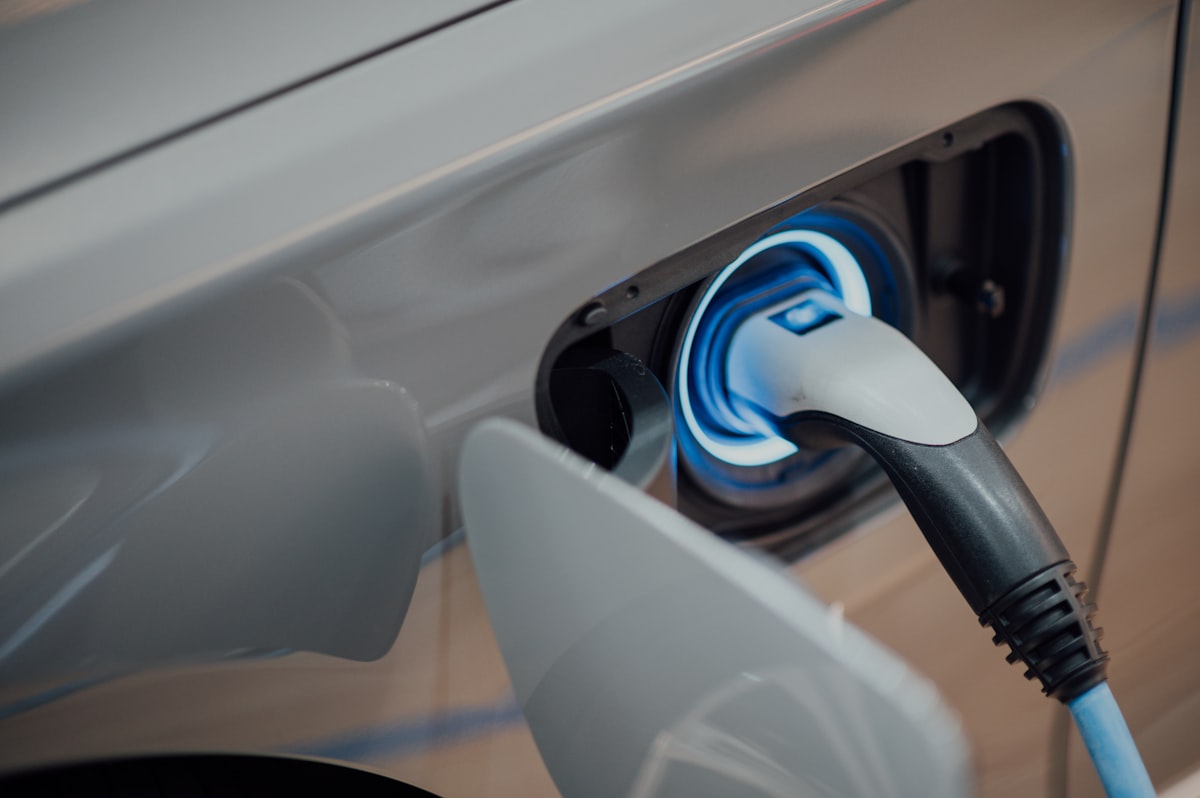
Electric vehicle batteries commonly hold far more energy than a home storage battery. Charging should therefore be planned as a direct grid load, coordinated with the property rather than routinely supplied from the home battery.
Single-phase and three-phase charging
A typical single-phase home charger can deliver up to approximately 7.4 kW, subject to the property connection and load management. Three-phase equipment can support higher charging rates where the vehicle and supply allow it. The right approach depends on the available connection, number of vehicles and time available on the chosen tariff.
Multiple EVs change the calculation
Charging two vehicles alongside battery storage, heating and other large household loads may require careful scheduling, dynamic load balancing or an assessment of a three-phase supply upgrade. The existing electricity demand and maximum import capacity must be checked before equipment is selected.
Solar-aware charging
A compatible charger can direct suitable surplus solar generation into the vehicle. This can be valuable, but expected mileage, daytime parking and seasonal generation must be considered. A realistic design should also explain how the vehicle will be charged during winter.
Ohme and Zappi installation
OmniOrigin supplies Ohme and Zappi charging options. Product selection is based on the property, tariff preferences, solar integration and the controls that will be useful to the driver.
Assessment before installation
The final design checks the consumer unit, earthing, cable route, parking position, internet or mobile connectivity, load management and any network notification requirements. This ensures the charger is safe, practical and suitable for the wider energy plan.